



That vibrant green, ₹450-a-cup drink taking over your Instagram feed is getting a major local upgrade.
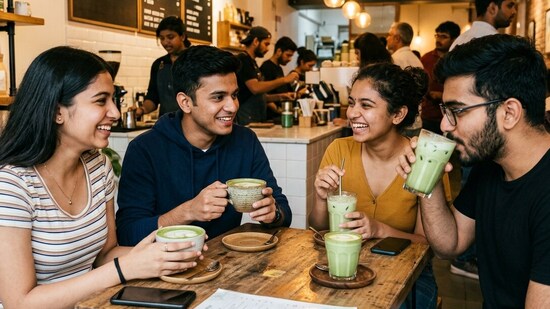
In a historic first for India’s beverage scene, Assam has officially started producing its very own Matcha tea and it just made a grand debut at the auction house!
Taking to X, Chief Minister of Assam, Himanta Biswa Sarma, wrote, “Your favourite Matcha brew, will now be produced in Assam. Furthering our glorious tea legacy, Assam becomes the first State in India to commercially produce Matcha tea at the Chota Tingrai Tea Estate in Tinsukia. This diversification to the viral drink will help strengthen brand Assam Tea in the global markets. This has been made possible due to the strong India-Japan ties and our collaboration in various fields and has fetched a handsome price at the Guwahati Tea Auction Centre.”
Here is everything you need to know about India’s latest homegrown obsession:
The debut
On Friday, July 3, 2026, the first-ever commercial batch of Indian-made Matcha (weighing 5 kg) hit the Guwahati Tea Auction Centre.
It fetched ₹3,000 per kg, bought by the Guwahati-based Sheosons Chai Co.
It was grown at the Chota Tingrai Tea Estate in Tinsukia, Assam.
Assam Chief Minister Himanta Biswa Sarma cheered the milestone on X (formerly Twitter), celebrating the strong India-Japan ties that made this 10-year project possible.
Why café owners are celebrating
For India’s booming café culture, local Matcha is a massive game-changer. Previously, cafés had to rely entirely on expensive imports from Japan, China, or Vietnam.
Ayushi Sharma, founder of Cha & Co., a unique matcha-centric cafe in Gurugram, says, “Assam has the ideal climate for this, and if we can hit that premium quality, it’s going to be a game-changer. Look at Japan – it took them decades to perfect their cultivation techniques.”
She further adds, “We need to actively put in the work here. I fully support growing it in India; not only will it make procurement significantly cheaper, but it’s just a massive step forward for the industry.”
Similarly, Yahvi Mariwala, co-owner of Nandan Coffee, which runs prominent coffee shops across Mumbai and Bengaluru, views this as a massive win for quality control.
“As business owners, getting our hands on fresh ingredients is always our top priority since matcha oxidises and loses flavour over time. Producing this locally is going to be incredibly beneficial – it cuts down shipping costs, simplifies the supply chain, and ensures we get a much fresher product. It has massive potential, and I’d love to see it develop further,” she says.
However, is it just an Instagram fad?
While foodies are celebrating, some culinary experts are urging caution. Renowned culinary consultant Suvir Saran warns that we shouldn’t blindly follow global food trends.
He shares, “When a crop becomes trendy (like quinoa or avocados), farmers often abandon traditional crops they’ve grown for generations. If the trend fades, farmers are left stranded.”
Moreover he feels that most Indians aren’t replacing their morning cutting chai with ceremonial Matcha. It remains a premium, niche ingredient used mostly in lattes and desserts.
How Matcha is made:
Unlike regular green tea where you steep and discard the leaves, with Matcha, you actually consume the whole leaf. The tea plants are shade-grown to boost their bright green color and flavor, and then stone-ground into a super-fine powder. It took Assam a decade of working with Japanese experts to perfect this facility!
